
A Continuous Exploration
Birds and Motion
Bird watching often offers moments and scenes that are truly spectacular.. but traditional photo techniques often fall short of capturing the scale and grandness of what our eyes can easily perceive. I find this is especially true for watching (generally small) birds fly through (generally large) spaces. Capturing their movements into one image is an enticing challenge, and over the last few years I’ve honed some techniques stacking photos that creates images I find compelling and often surprising.
Here are some of my favorites from this line of image creation.
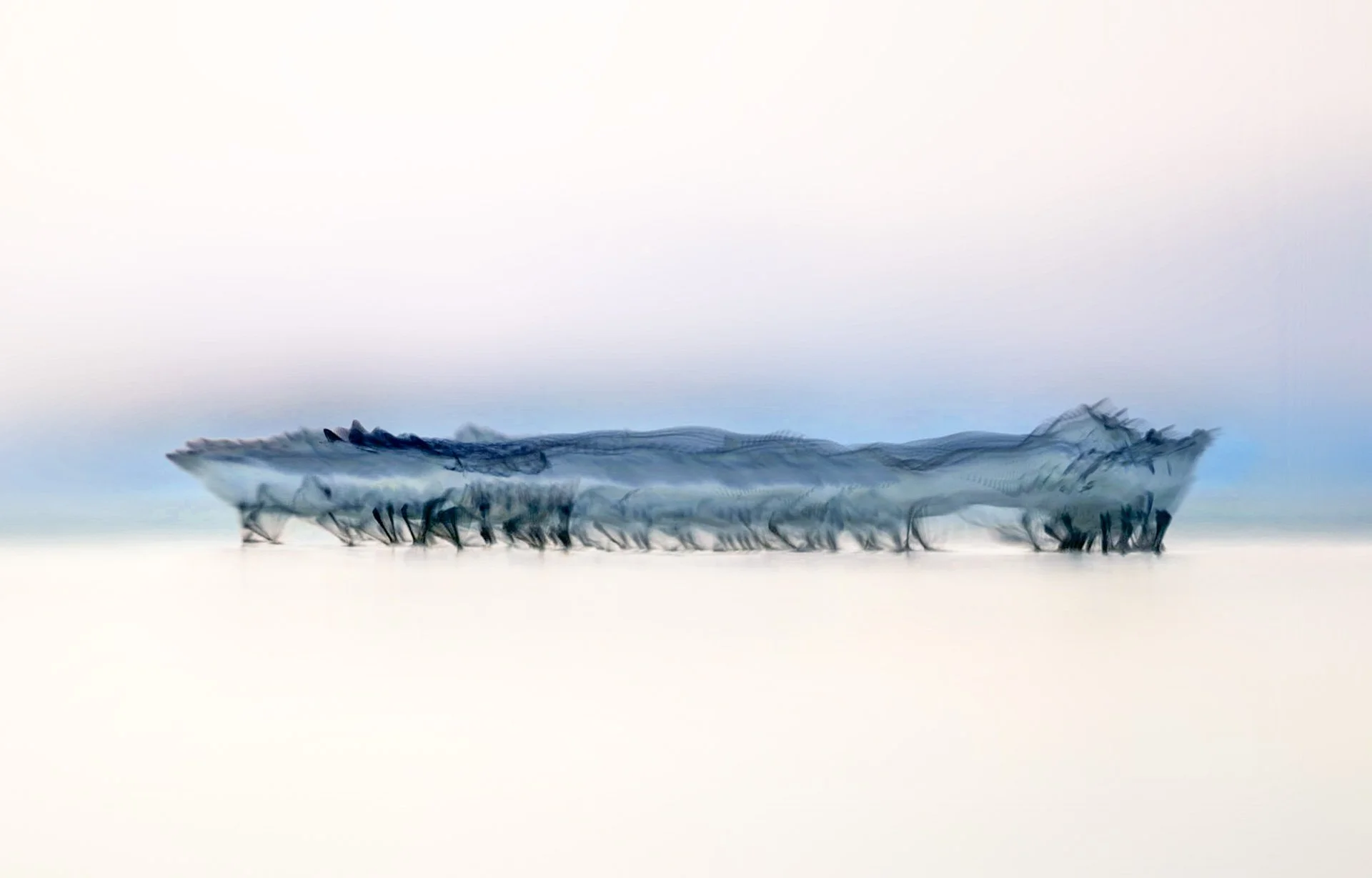
A Chimney of Swifts
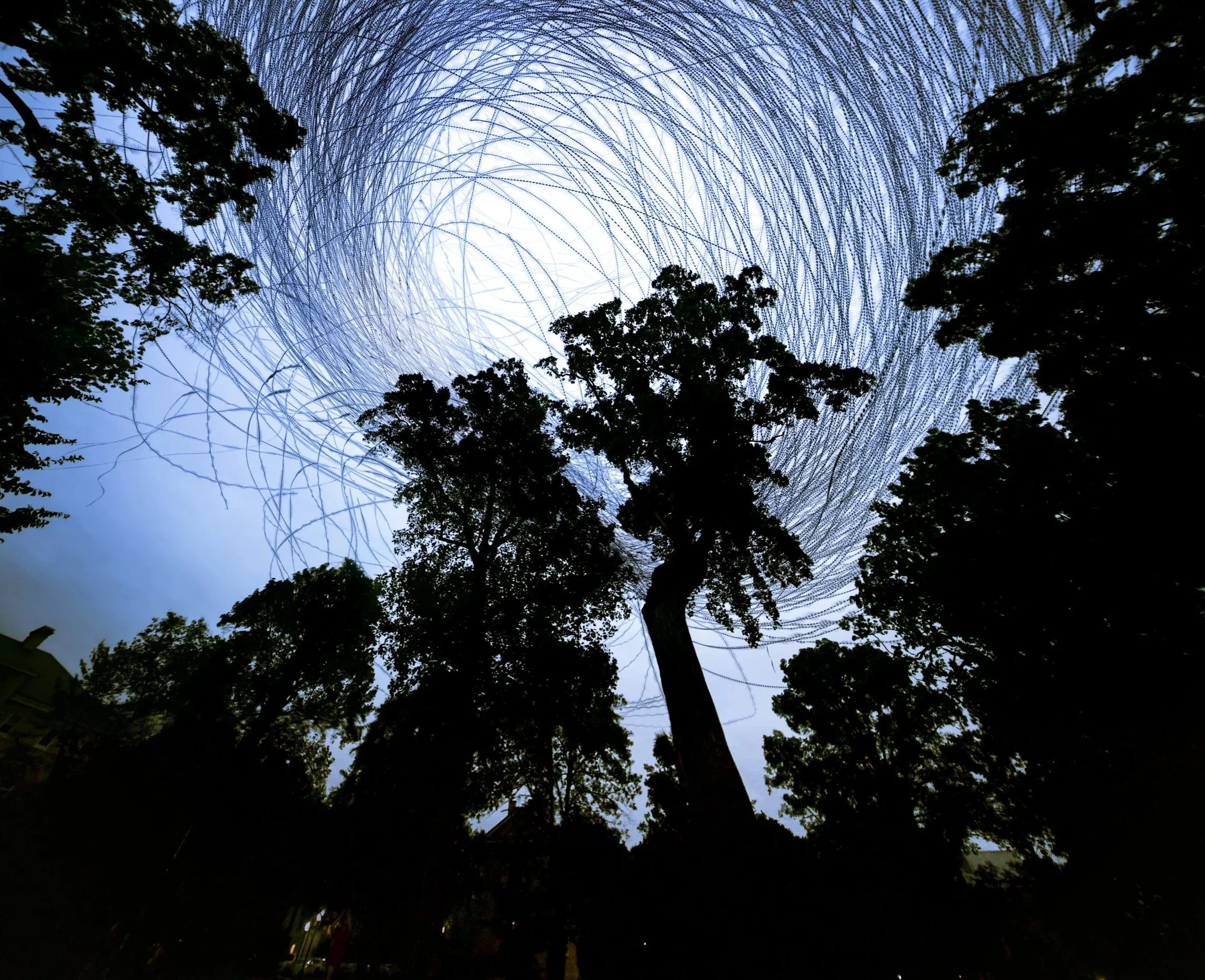
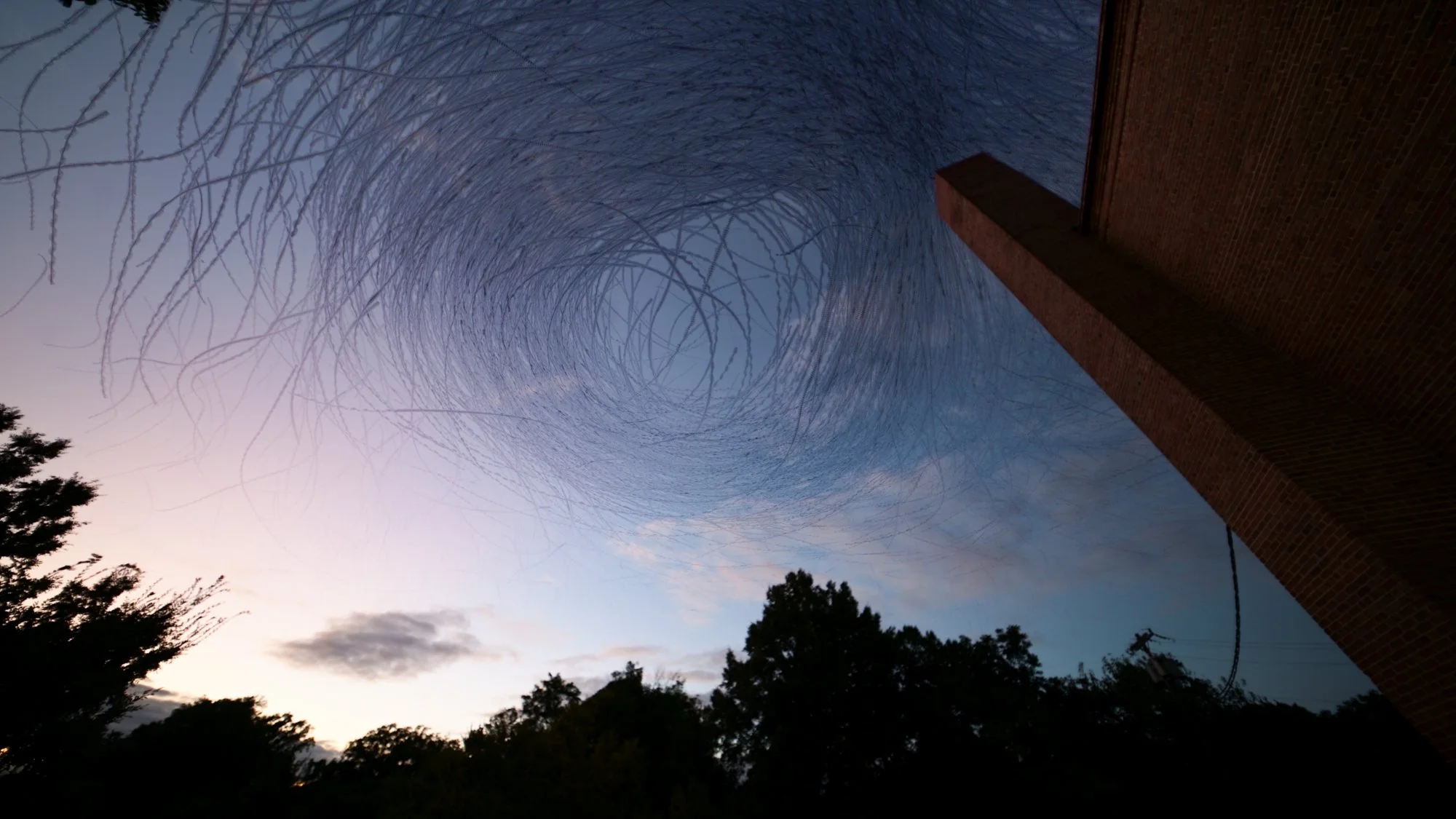
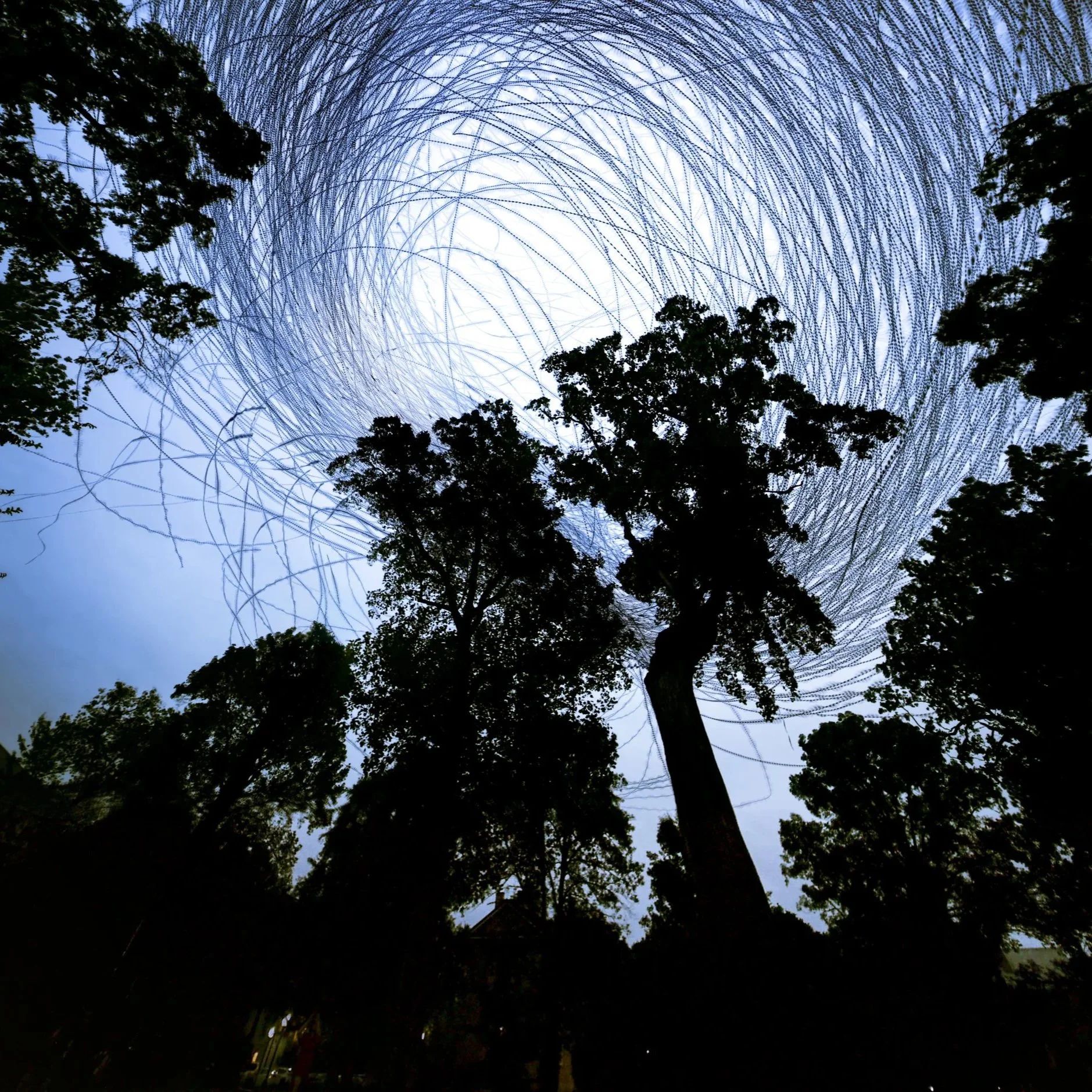
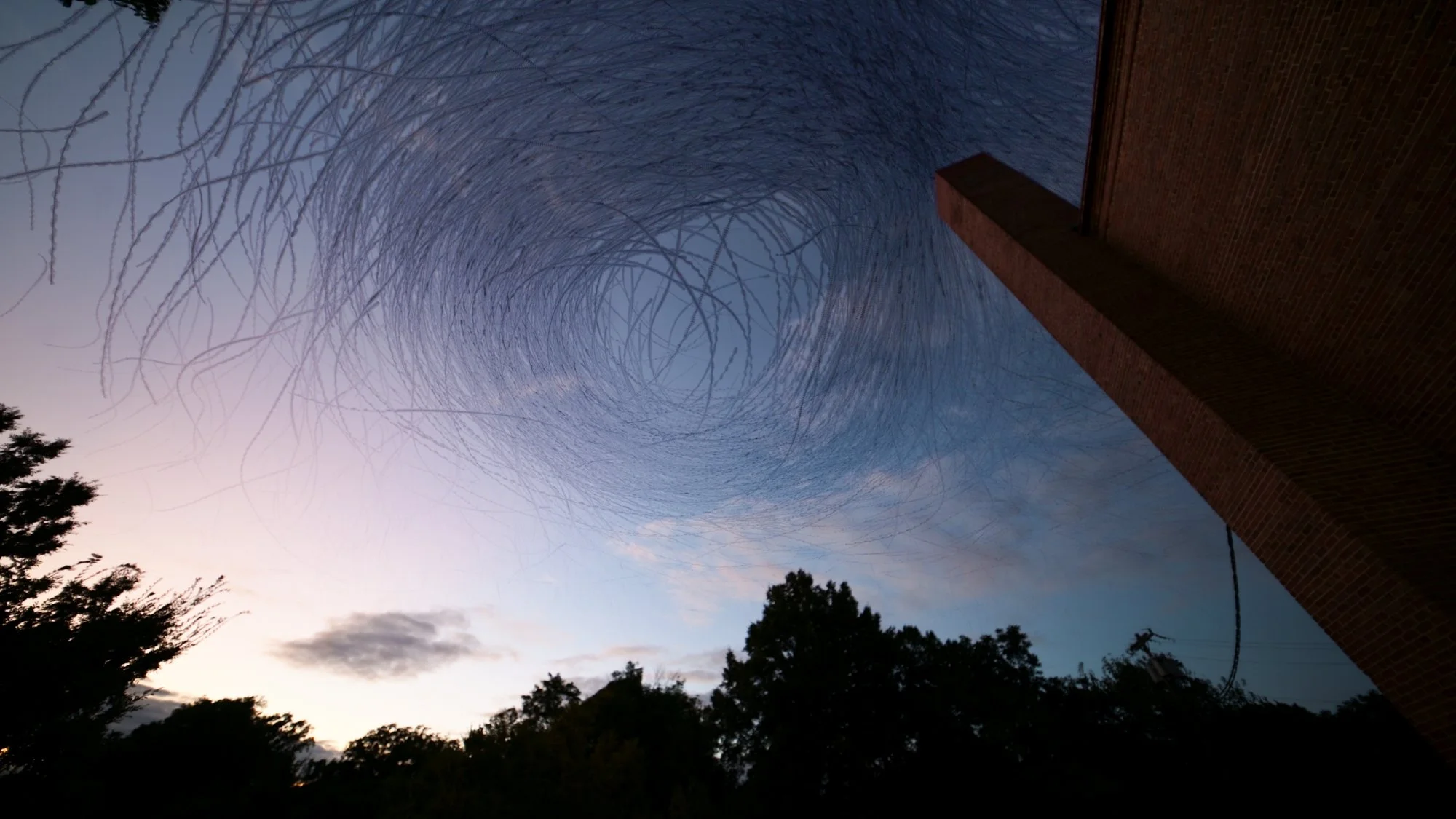
As their name implies, Chimney Swifts do, in fact, love chimneys. Prior to human presence, these birds would find hollow trees to collectively roost in on their migration routes. However, once humans started building chimneys, these birds preferred these structures due to their superior darkness. Here you see around 1000+ birds swirling around the chimney prior to entering to roost for the night.

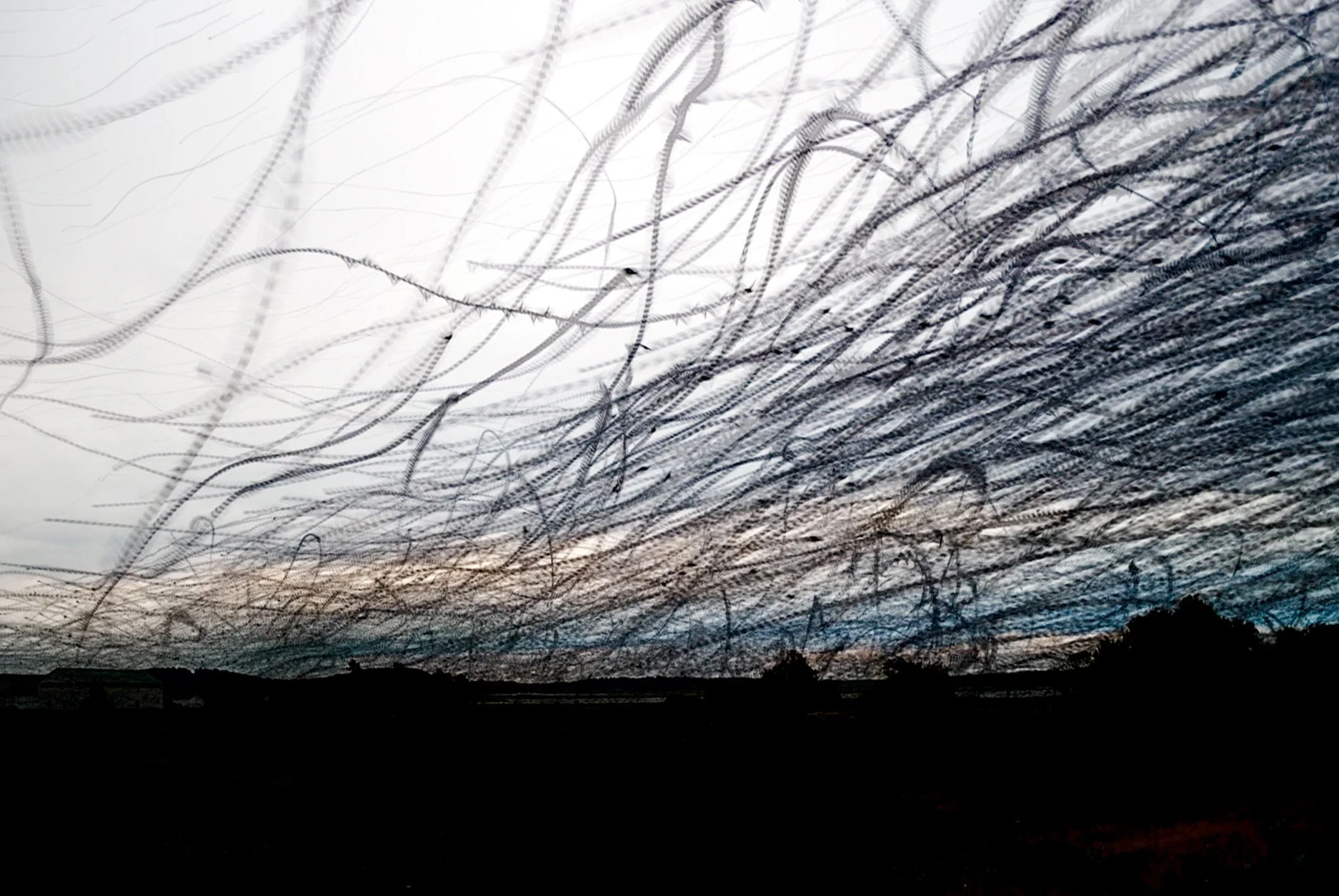
The great Tree Swallow migration
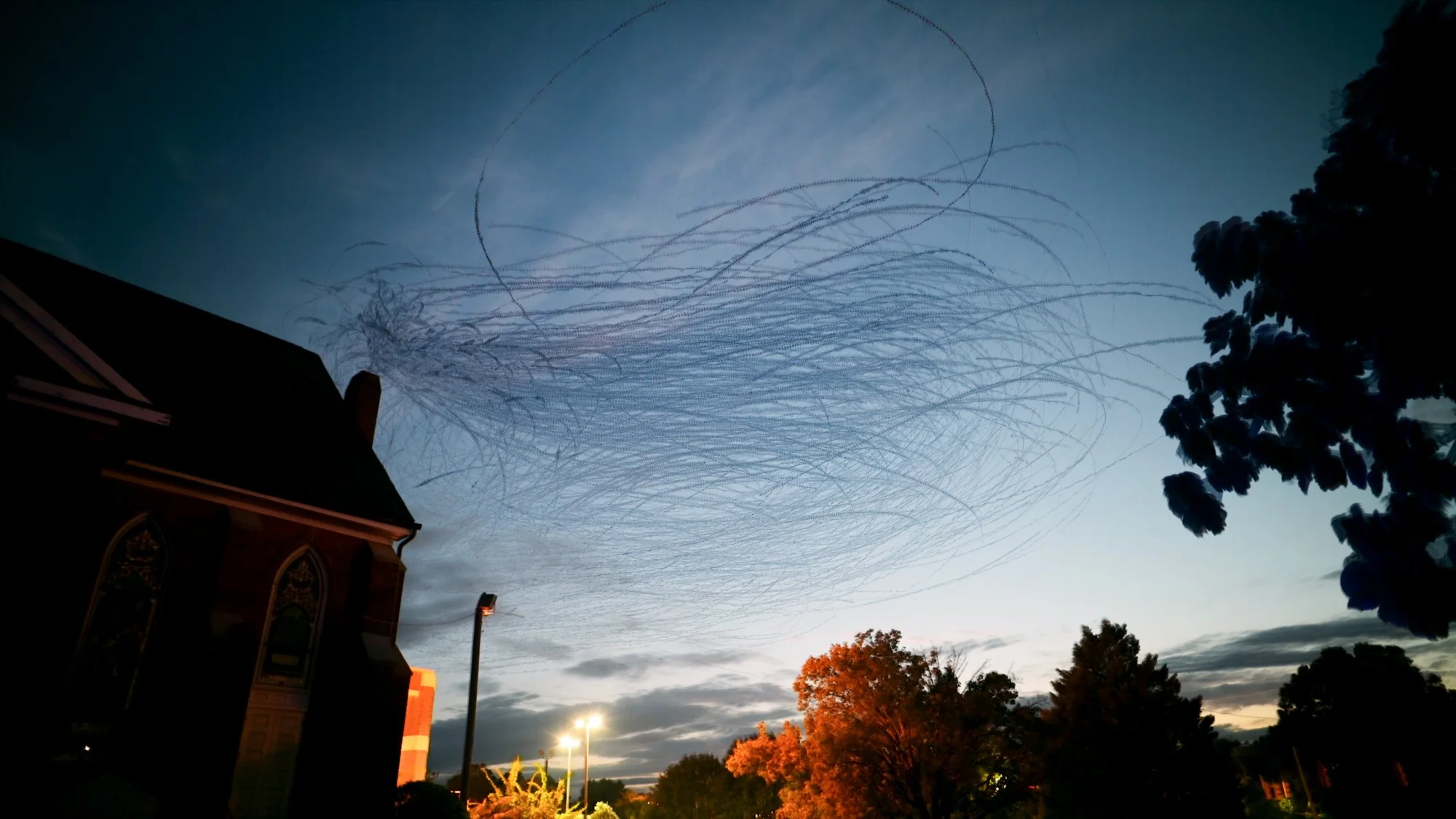
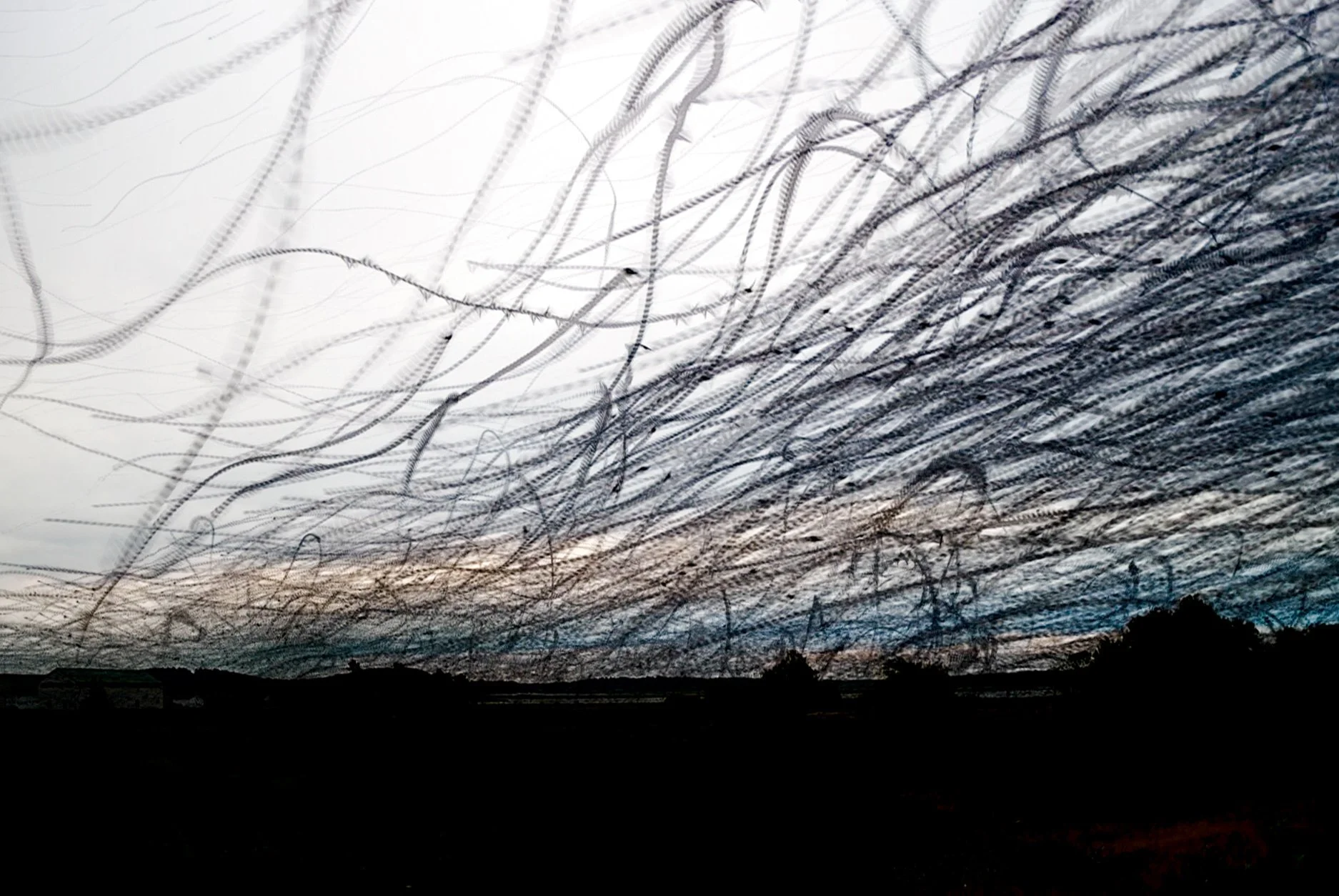
Captured over the Great Marsh in coastal Massachusetts. One of my first experimentations with this technique in 2021.
This image renders a few thousand Swallows as they fly past me, some flying as close as 10 feet away, while others are hundreds of feet above. 35mm, 240 frames overlayed into one image.
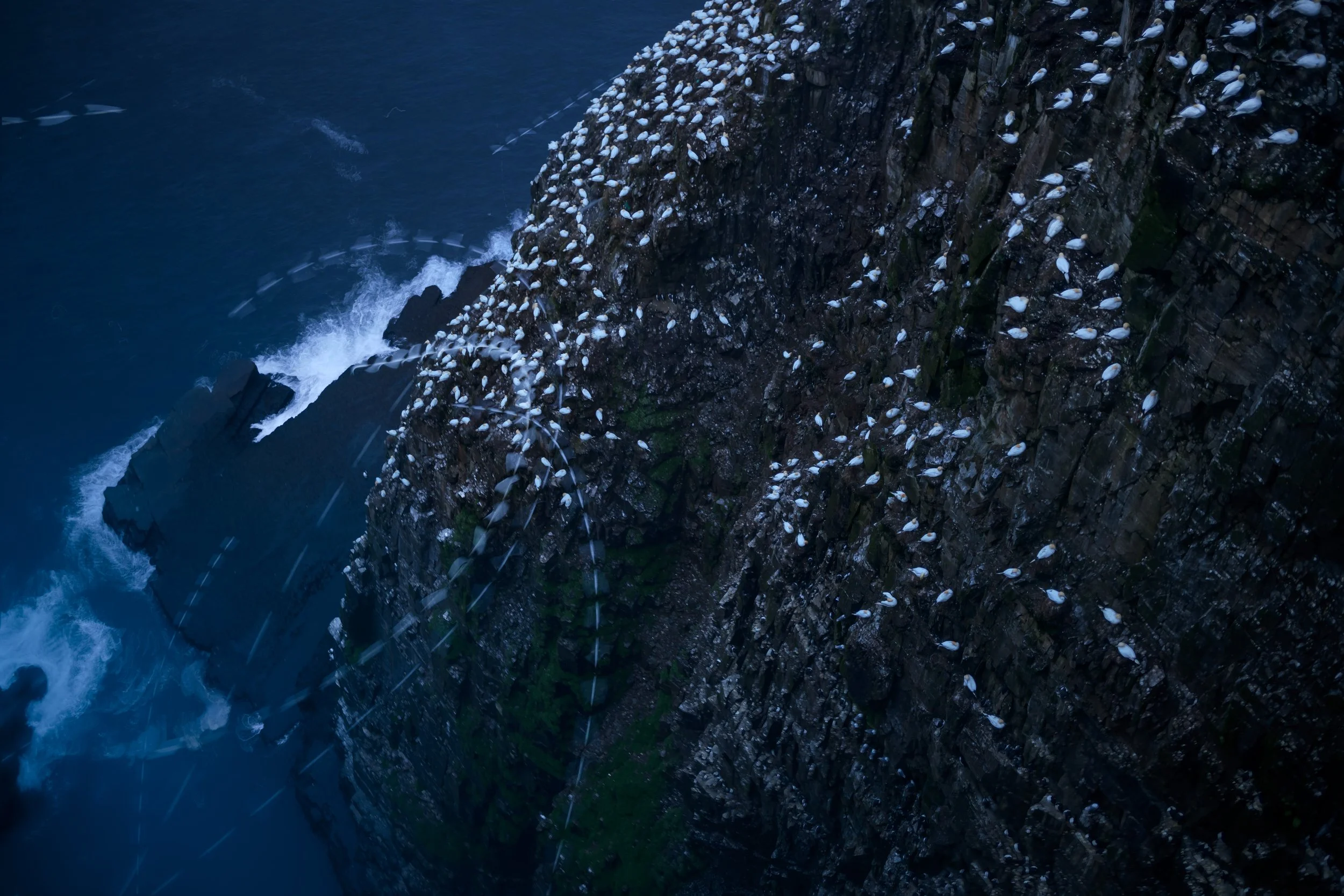
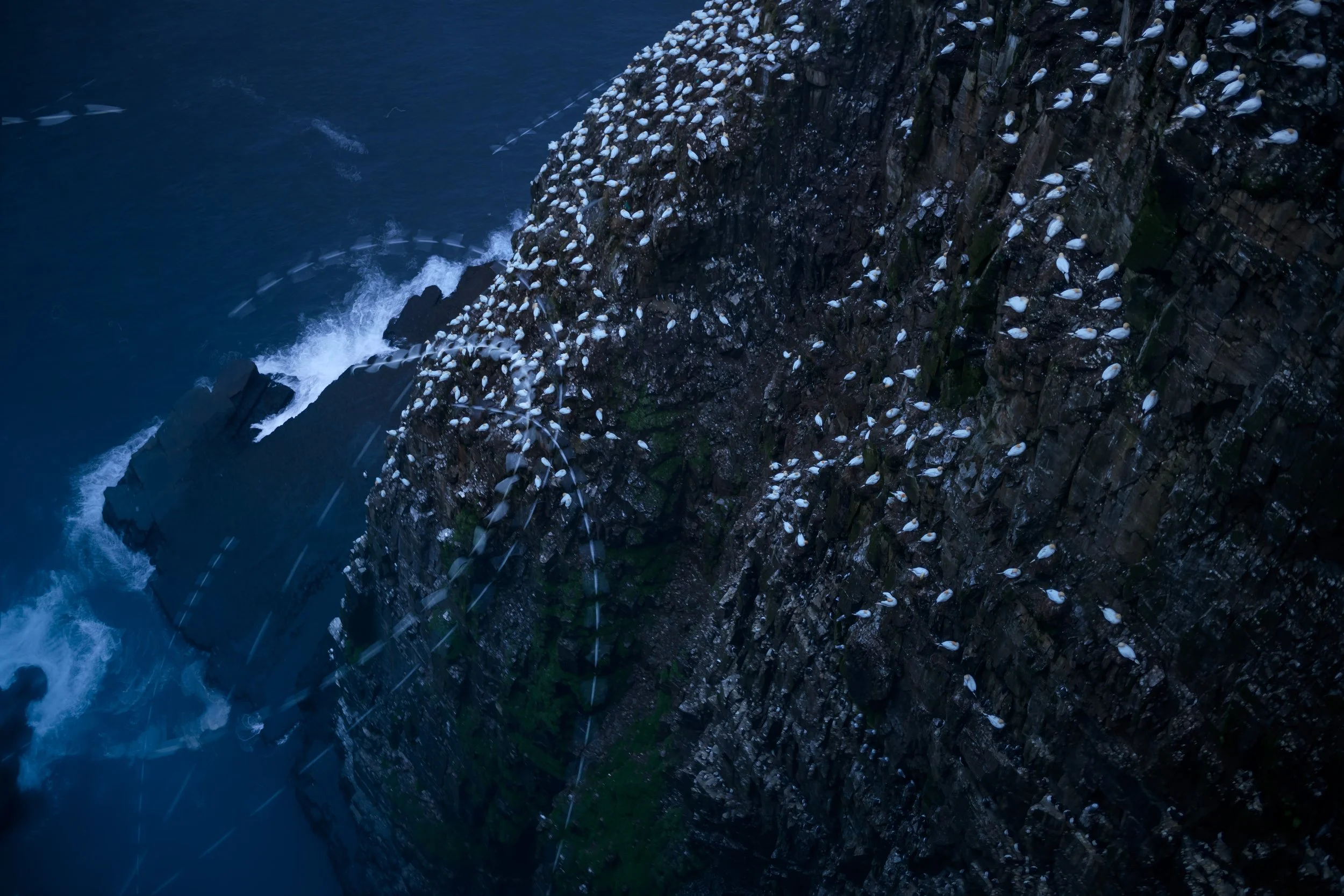
Northern Gannet Colony
Captured over the Great Marsh in coastal Massachusetts. One of my first experimentations with this technique in 2021.
This image renders a few thousand Swallows as they fly past me, some flying as close as 10 feet away, while others are hundreds of feet above. 35mm, 240 frames overlayed into one image.
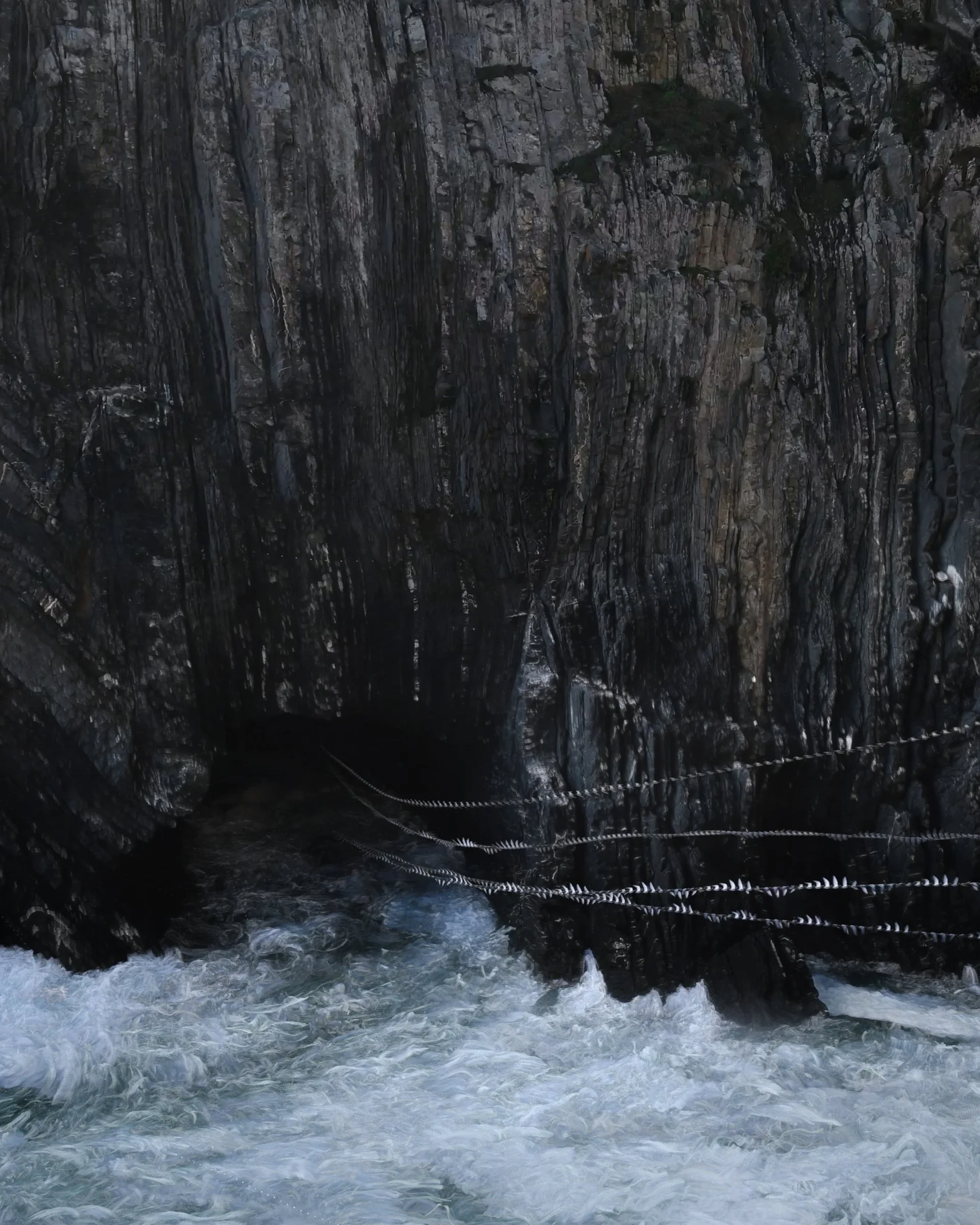
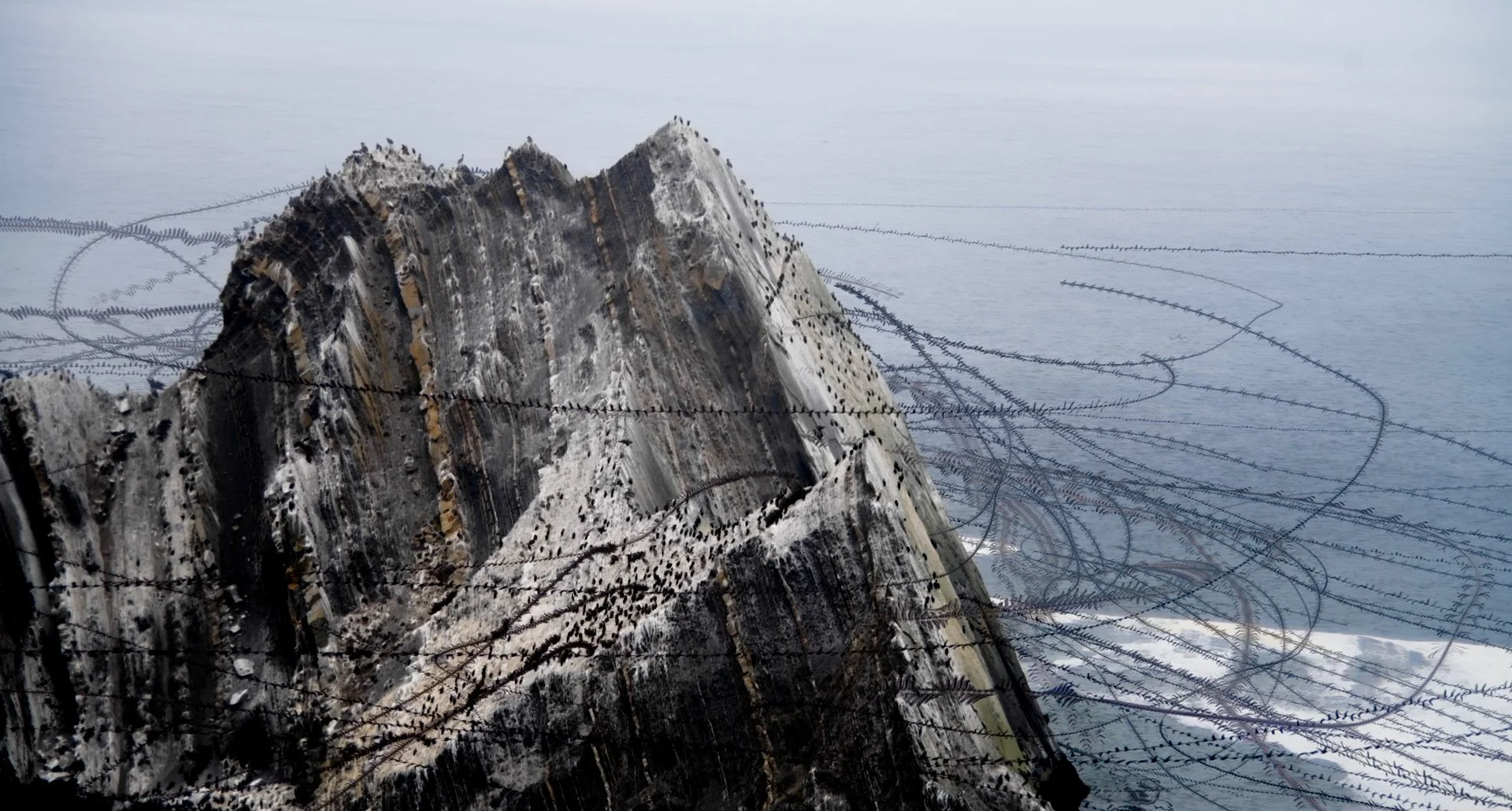
Pelicans and Cormorants circle their dramatic island cliffside home.
Rocky islands that are too small or steep to support human or carnivorous mammal life are crucial habitats for nesting seabirds.
This island in California has enough surface area to support up to 10,000 resting seabirds, and a few thousand nesting seabirds. With birds constantly in motion circling or departing for a seafood meal, the rock face feels almost like a living organism itself.
A scene I’ve returned to on multiple occasions and perspectives
1st Image: 10 seconds of frames compressed into one image. 2nd Image: 5 seconds of frames.

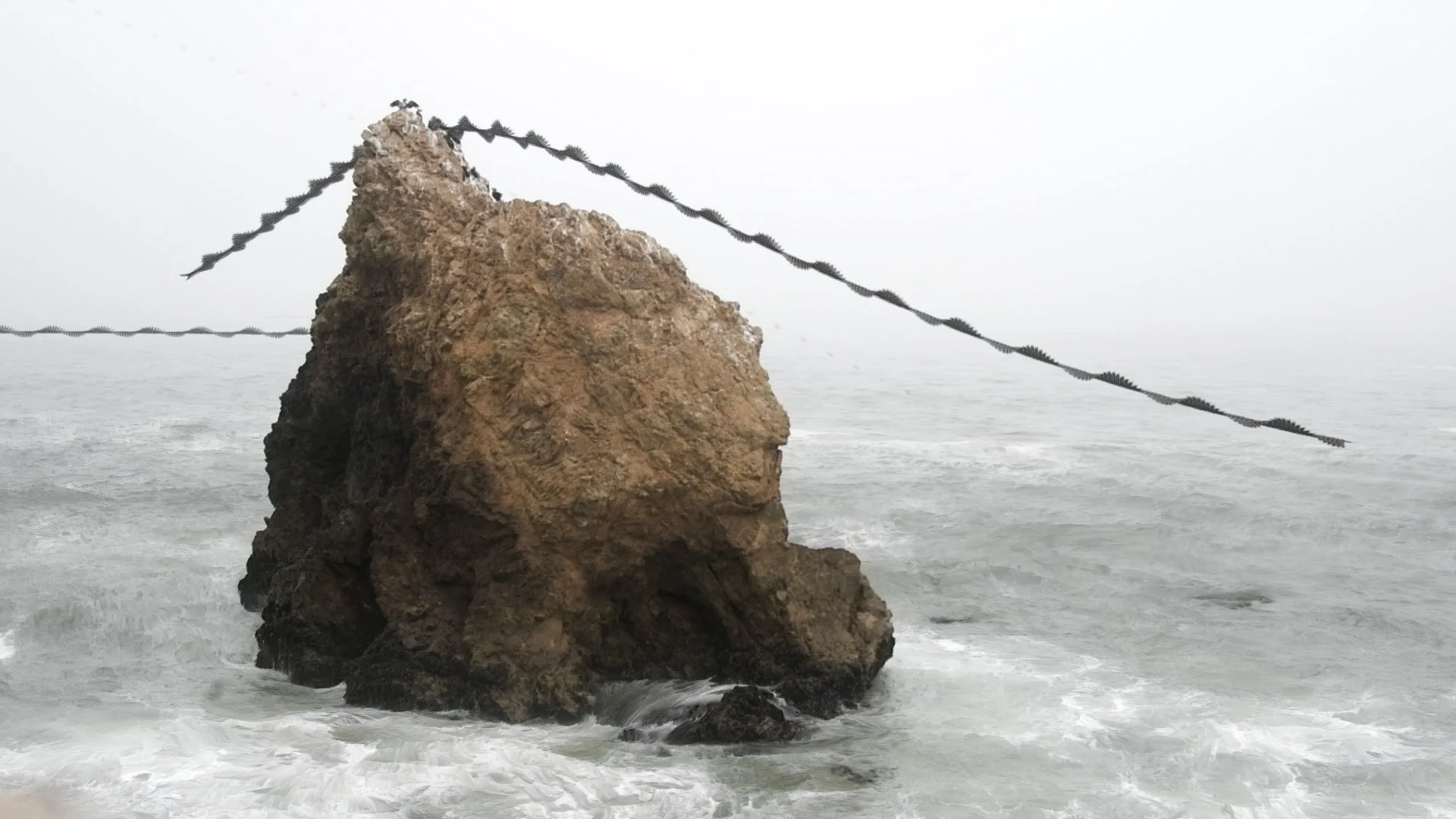
Failure to land…
A Pelagic Cormorant attempts to land on a smaller rock, but is detered by existing birds already resting on the rock’s peak. It’s okay though, the bird found a resting place just across the cove.
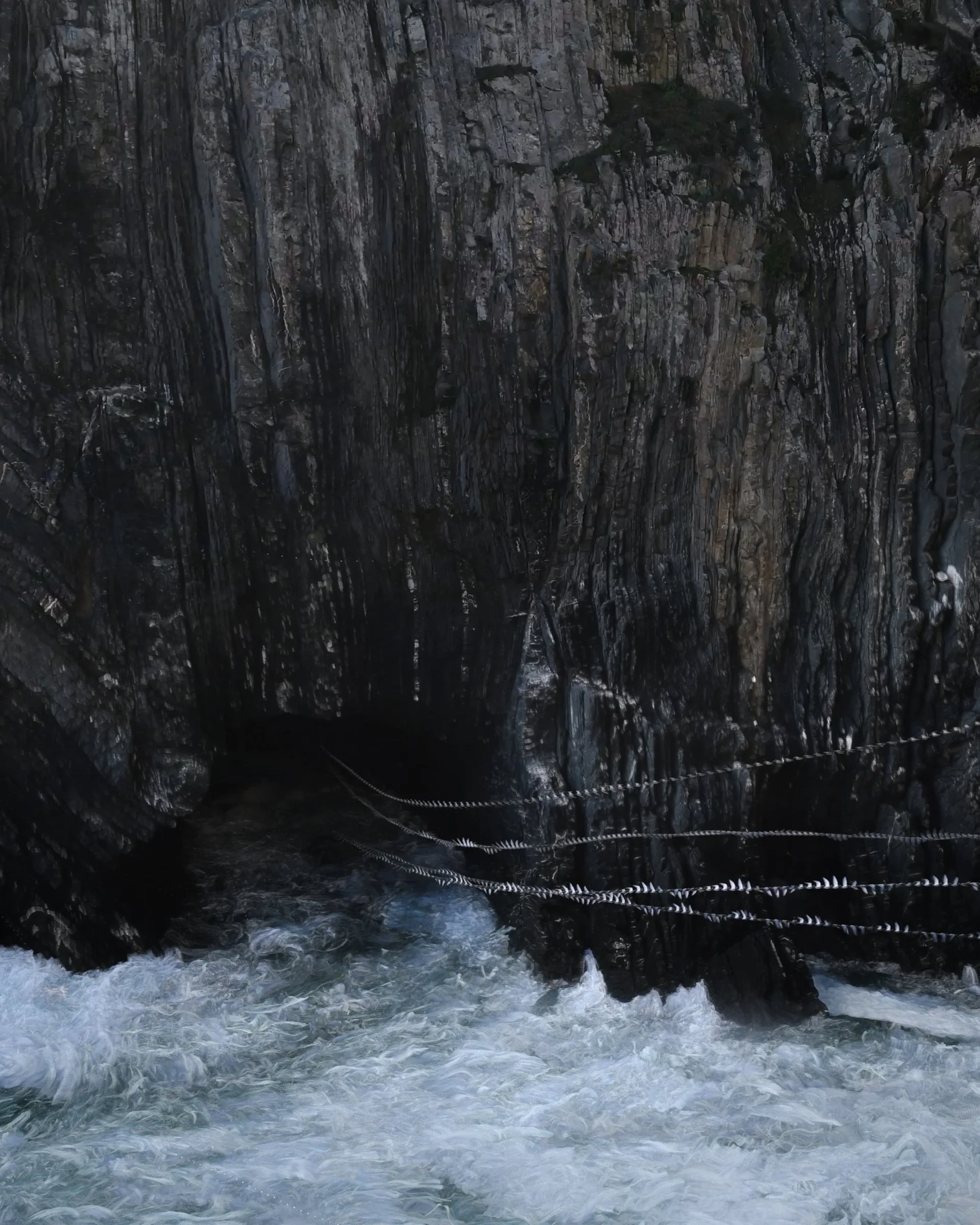
Rock Doves in their natural habitat
A species that has since taken over cities all across the world, the Rock Dove (Pigeon) originally hails from rocky cliffs on European coastlines. It was fun to watch a few pairs in such a remote environment away from humans, foraging on seeds and flying back to their natural nesting sites.
print inquiry
if you’re interested in either a physically printed+mounted print - or a full resolution download to print yourself, email me below to inquire!